
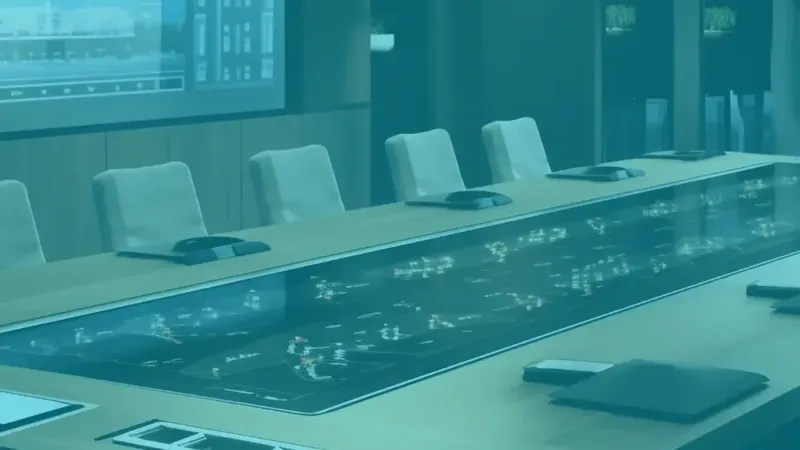
A meeting room that takes ten minutes to start is not an equipment problem. It is a design problem, and it is fixable.
Every organisation has a room people avoid booking. It is usually the one with the most equipment in it, and the reason is almost never the equipment itself.
Complexity is the actual fault
If starting a meeting requires selecting the right input on the right remote, someone will get it wrong, and after a few of those the room acquires a reputation. People book the smaller room and crowd into it instead.
Rooms that work have one-touch operation: press one button, the display wakes, the correct input is selected, the camera and microphones come on. That is a configuration decision, and it is available on most systems already installed.
Remote participants cannot hear your far end
This is the most common complaint we are called about, and it is a microphone coverage problem rather than a laptop problem. A single device picks up whoever sits nearest and loses everyone else, so remote participants spend the call asking for repeats.
A room with a long table needs distributed or ceiling microphones designed for its dimensions. Buying a better laptop does not address it, and neither does asking people to speak up.
The display is too small for the room
Display size should be set by the distance to the furthest viewer, not by what fits the wall or the budget. A screen readable at two metres is not readable at eight, and the back of the room quietly stops participating.
It is a measurable calculation rather than a matter of taste, and getting it wrong is expensive to correct once the screen is mounted.
Glare nobody accounted for
A display positioned opposite a window washes out for part of the day, and in Kerala's light that window is longer than people expect. Blinds help; positioning at survey stage helps more and costs nothing.
What to specify next time
Survey the room before choosing equipment — dimensions, surfaces, seating and light
Size the display from the furthest seat
Design microphone coverage for the table, not the device
Insist on one-touch start, and test it with the people who will use the room
Confirm current Teams or Zoom compatibility rather than assuming last year's
For a room survey and a design that accounts for all five, see our AV solutions service in Kerala.
Meetings start late for the same three reasons almost everywhere, and all of them are fixable at installation rather than by training people around them. Our AV solutions in Kerala page covers room design and equipment, and IT networking covers the connectivity that video calls actually depend on.